Luxury Interior Materials Guide: Marble, Veneer, Metal & Stone Compared
Compare marble, veneer, metal, and natural stone for luxury interiors. Learn their benefits, applications, durability, and how to choose the right material.
Enter a luxury home, and the first thing that will catch your eye isn’t the furniture; it is the materials. Whether it is the smooth veining of the marble console table, or the gleam of the brass doorknob catching the light of the afternoon sun, or the quiet authority of the stone accent wall. You may replace the furniture every few years, but the materials will last much longer, and it is the materials that make a house appear timeless rather than just an expensive-looking abode.
Each type of material gives the room its distinct flavour and character. Marble is all about elegance and heritage, while veneer offers visual richness and greater flexibility. Metal will bring warmth, contrast, and craft to the interior. Stone brings a sense of authenticity and texture to the space. All used wisely, they will form a timeless interior that ages gracefully. Here you can learn more about the applications of each material and the factors to consider when selecting them.
Luxury materials are not only good to see in pictures; they last for years and retain their elegance even a decade after installation. This is what true luxury is all about: whether the materials are still luxurious even if the fashion becomes obsolete.
Selecting quality materials is a matter of compromise. While aesthetics play a significant role in the process, durability, maintenance, and cost-effectiveness should also be considered. An attractive material that requires constant attention to remain in good condition, or an attractive but utterly useless material for everyday use, adds to the interior's problems rather than solving them. The most successful and durable interiors are created by those people who try to foresee future changes in the world of design.
1. Why Material Selection Defines Luxury Interiors
There is a good explanation as to why marble has managed to retain its position at the pinnacle of luxury materials: the veining present in marble is natural, meaning that each slab is different from the others and gives unique characteristics to the area where it is installed.
The days are long gone when marble was used only in floors; now it is incorporated into kitchens as island tops, staircases, and bathroom countertops, and as inlay work in furniture and wall panels. Whites like Carrara and Statuario remain popular, but greens (emerald green), blacks (marquina), and beiges are becoming increasingly popular to make interiors more impressive. The best place to install marble is where it can be appreciated and not subjected to heavy foot traffic or harsh use; for example, entrance floors, feature walls, or bathroom countertops, rather than kitchen countertops, which are prone to acid spills.
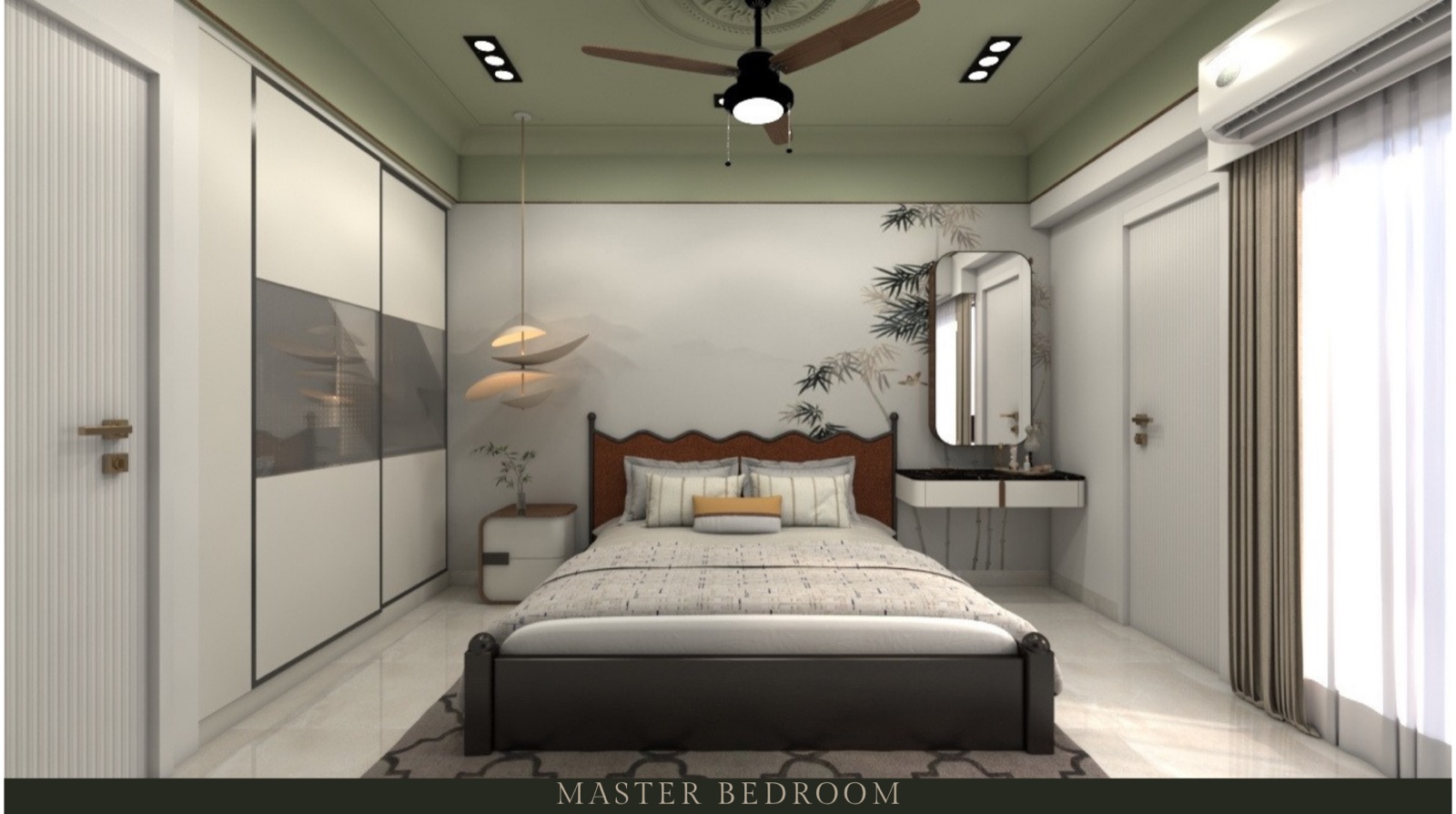
Marble veneer is a thin sheet of marble attached to an inexpensive backing, giving the user the look of genuine marble at a much lower cost and with less bulk. Marble veneer would be the better option in situations where someone loves marble but cannot afford the real deal or cannot structurally support marble.
The key benefit of the marble veneer is its flexibility; it can cover any curved surface or vertical application in ways that cannot be achieved with a piece of marble stone due to the stone's weight. The veneer is best for ceilings, walls, and custom furniture where the slab would be impractical. However, it is not suited for high-traffic areas where durability and hardness matter.
2. Combining Materials for a Cohesive Luxury Home
Metal finishes have become a distinct characteristic of luxury interior design in recent times, with 2026 favouring warm, aged metallics over the cold chromes that were fashionable a decade ago. Brass and bronze can be found in cabinet handles, light fixtures, and furniture legs, giving a rich, ancient appearance to modern-day spaces. Copper provides warmth and approachability and is often used in kitchens and bars. Brushed steel continues to be popular for its simplicity and elegance, while pewter is gaining popularity as a metal finish that falls somewhere between warm and cool metallics.
Metal looks great as an accent rather than a dominant material in interiors: tapware, door handles, light fittings, and furniture frames. The main thing to do is ensure consistency, as mixing different metals can create clutter. So most designers base their designs around one metal finish and incorporate another in small quantities.
Natural Stone is an assortment of rocks that includes Granite, Limestone, Travertine, Slate, and Quartzite, all presenting varying degrees of texture and durability. In contrast to Marble, which is prized solely for its aesthetic value, Natural Stones are initially chosen for their durability, making them ideal for high-traffic and outdoor areas like patios and pool areas.
For example, both granite and quartzite are harder and less susceptible to scratches than marble, making them ideal countertop materials for kitchens. Limestone and travertine textures are primarily used to create feature walls and floors in transitional areas. Most natural stones are relatively easy to maintain and only need to be sealed occasionally, as is the case with marble. The best thing about natural stone, however, is its authenticity.
3. Recent Posts
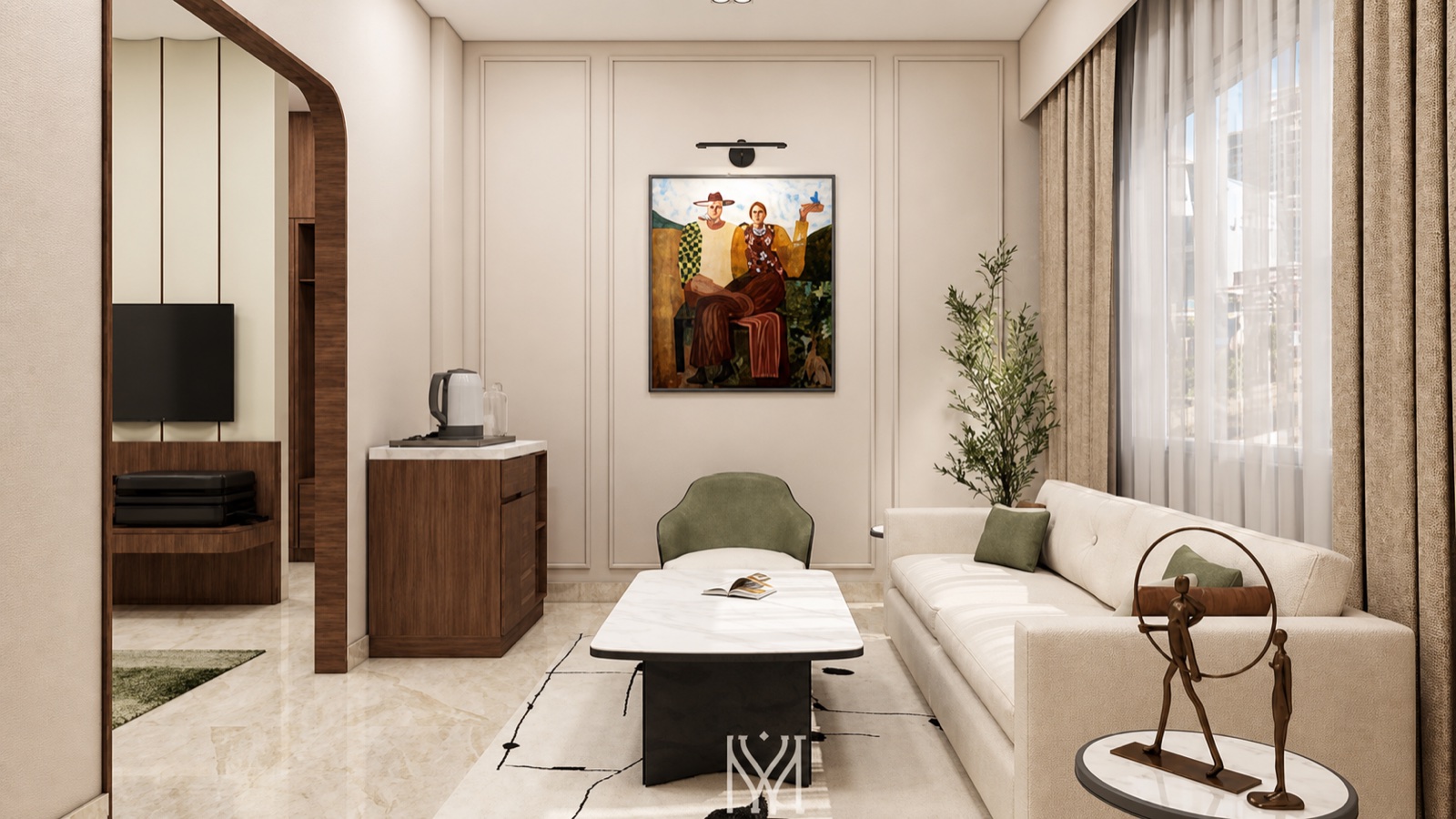
Most outstanding interior spaces are never created with a single finish throughout. The combination of finishes such as marble, wood, metal, and stone provides contrasting elements that give an interior an air of design rather than just looking like a showroom. A console table top finished in marble with brass legs, set against a wall of stone, for example, combines the finishes of three surfaces that accentuate each other.
There must be a good balance between warm and cool materials. While the warmth of wood and metal is balanced by the cool nature of stone and marble, the latter materials provide an element of permanence that balances the warm finishes. The designer typically designs the entire space around a predominant material, using others as secondary materials.
At MWM Spaces, the process of choosing materials starts with the family's practical needs, not the aesthetics of how a space looks in a picture. Under the leadership of its founder, Prernaa Mangla, MWM Spaces brings 14+ years of design experience and more than 500 completed projects. The firm also has a 150-member team of design, execution, and craftsmanship.
The unique factor of MWM Spaces is that they manufacture furniture in their factory, enabling them to customise materials such as marble, veneers, metals, and stone according to project specifications rather than using ready-made options. With operations in 15+ cities and a strong presence in Gurgaon and Delhi-NCR, MWM Spaces has earned a good reputation.