7 Essential Elements of Interior Design Guide
Discover the 7 essential elements of interior design that shape beautiful, functional spaces with balance, light, colour, texture, and style.
Design transforms a space even before you introduce furniture to the room. At MWM Spaces, great interiors start with understanding the core elements of interior design, the tools that shape beauty, function, and balance.
These elements help every room feel intentional, expressive, and comfortable. Whether someone redesigns a home, a villa, an office, or a boutique space, the seven elements of interior design guide every decision, from how light moves through a room to how textures add depth and personality.
This guide breaks down the elements and principles of design in interior design in a simple, human way so anyone can understand how designers create spaces that feel right the moment you walk in.
Space acts as the canvas on which every design is built. It includes the length, width, and height of a room, and it sets the possibilities for layout, movement, and function. Designers work with two types of space:
1. Spaces: The Foundation of Every Interior
Positive space holds furniture and décor.
Negative space allows movement and breathing room.
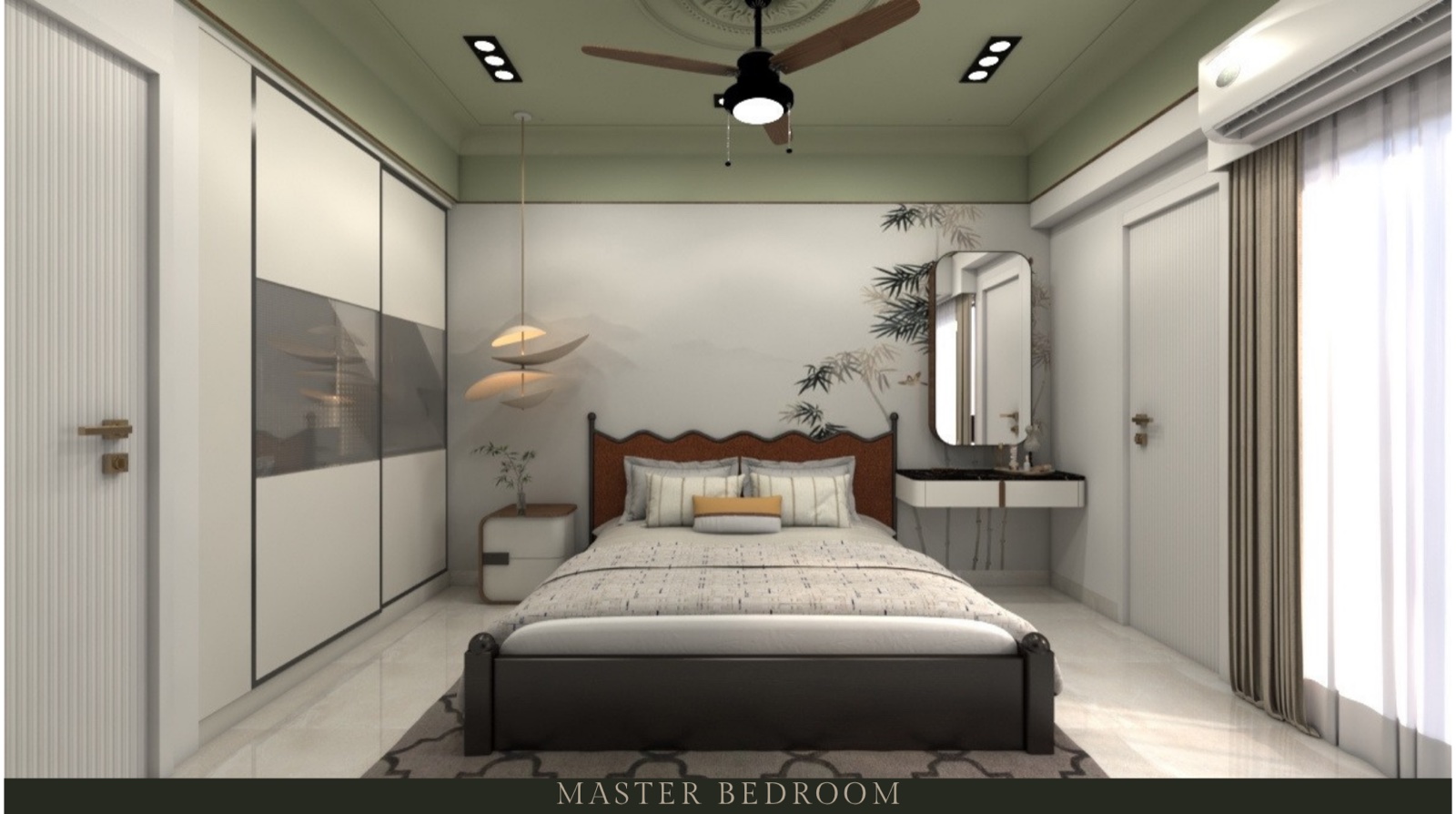
A well-planned interior balances both. When a space remains too crowded, it feels heavy and overwhelming; when it stays too empty, it feels unfinished.
At MWM Spaces, we plan circulation routes and functional areas before choosing furniture. This approach ensures the room supports the lifestyle of its users, not the other way around.
2. Line: Guiding the Eye and Shaping the Mood
Understanding space helps create clarity, comfort, and flow, something every interior must achieve before design begins.
Also Read - Best Home Interior Designers in Gurgaon
Lines form the skeleton of a design. They guide the eye, structure the architecture, and create visual interest. Designers work with three types of lines:
Horizontal lines: found in beds, tables, and shelves. They bring calmness and make rooms feel wider.
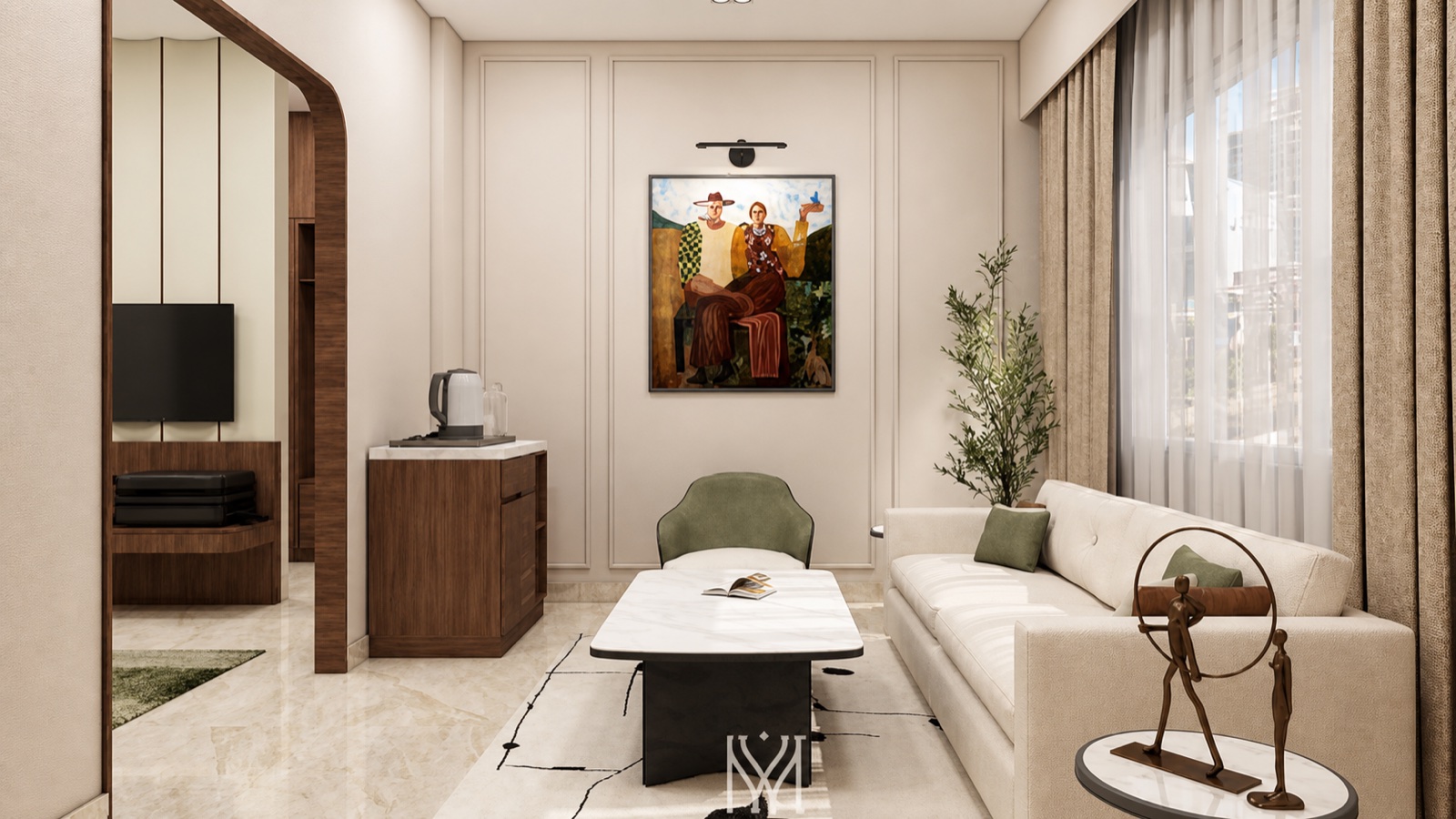
3. Form: The Shape That Defines Character
Vertical lines: created by windows, tall cabinets, and doorways. They add height and elegance.
Dynamic lines, such as curves, diagonals, and arches, add movement and a sense of softness.
MWM Spaces uses lines to set the emotional tone. Clean verticals create sophistication in a corporate interior; long horizontal lines make a living room feel grounded and relaxed; curved lines soften bedrooms and add a sense of comfort.
Lines play a quiet but influential role in shaping how a space feels.
4. Light: The Element That Brings Design to Life
Form refers to the three-dimensional shape of objects and structures. It encompasses architectural forms, as well as the shapes of furniture and décor.
Geometric forms: squares, rectangles, circles, clean and structured.
Organic forms: curves, irregular shapes, soft, natural, and fluid.
Every project at MWM Spaces blends forms to create a specific personality. Geometric forms work well in modern or minimal spaces, while organic forms bring warmth to family homes or hospitality interiors.
5. Colour: The Emotional Anchor of Every Room
The repetition of the same shapes in a room creates a sense of unity and visual stability. It is for this reason that designers tend to combine round lights with sofas having round shapes or to use angular decorative items along with square-shaped planning.
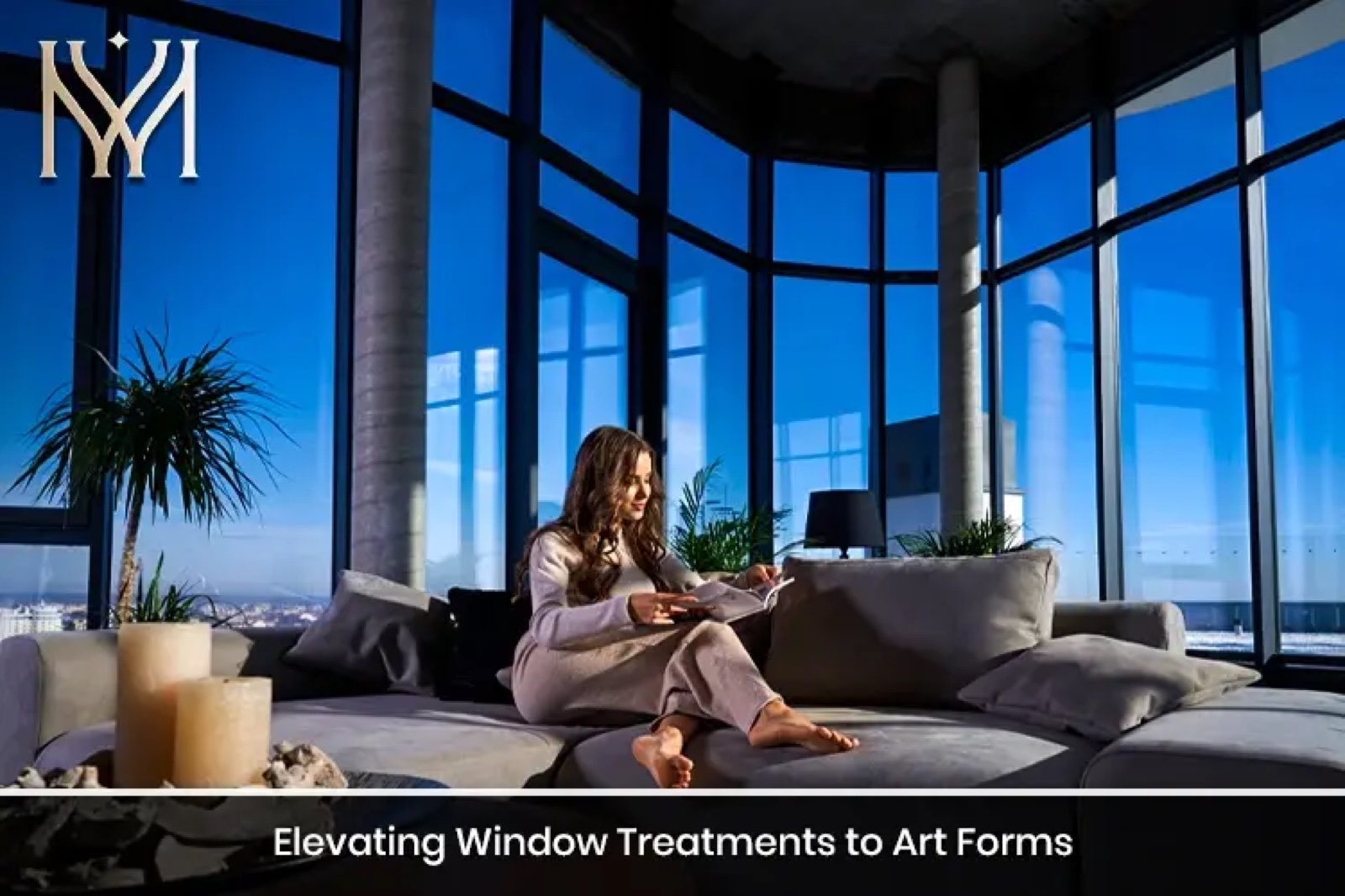
Light is the key element that influences various aspects of a space, including color, texture, spatial perception, and overall atmosphere.
Proper illumination creates a pleasant environment within a room, while inadequate lighting can render even the best design choices ineffective. Thus, light is one of the most essential factors in interior design.
Light divides into two main categories: Light divides into two main categories:
6. Texture: The Element That Adds Depth and Realism
It makes the rooms look bigger, has a positive impact on the mood, and gives a room a soft and earthy look. The designers strive to maximize the use of natural light by employing techniques such as strategically placing windows, utilizing mirrors and sheer curtains, and incorporating reflective materials.
Ambient lighting, which provides general illumination
Task lighting helps you read, cook, or work more effectively. Accent lighting enhances textures, artworks, or architectural features to highlight their beauty and elegance.
At MWM Spaces, we intentionally combine different types of light instead of relying on a single light source. Warm hues offer comfort, cool hues enhance concentration, and accent lighting adds a touch of luxury.
7. Pattern: Bringing Energy and Identity
Light influences mood more than any other factor; no area ever feels finished without it.
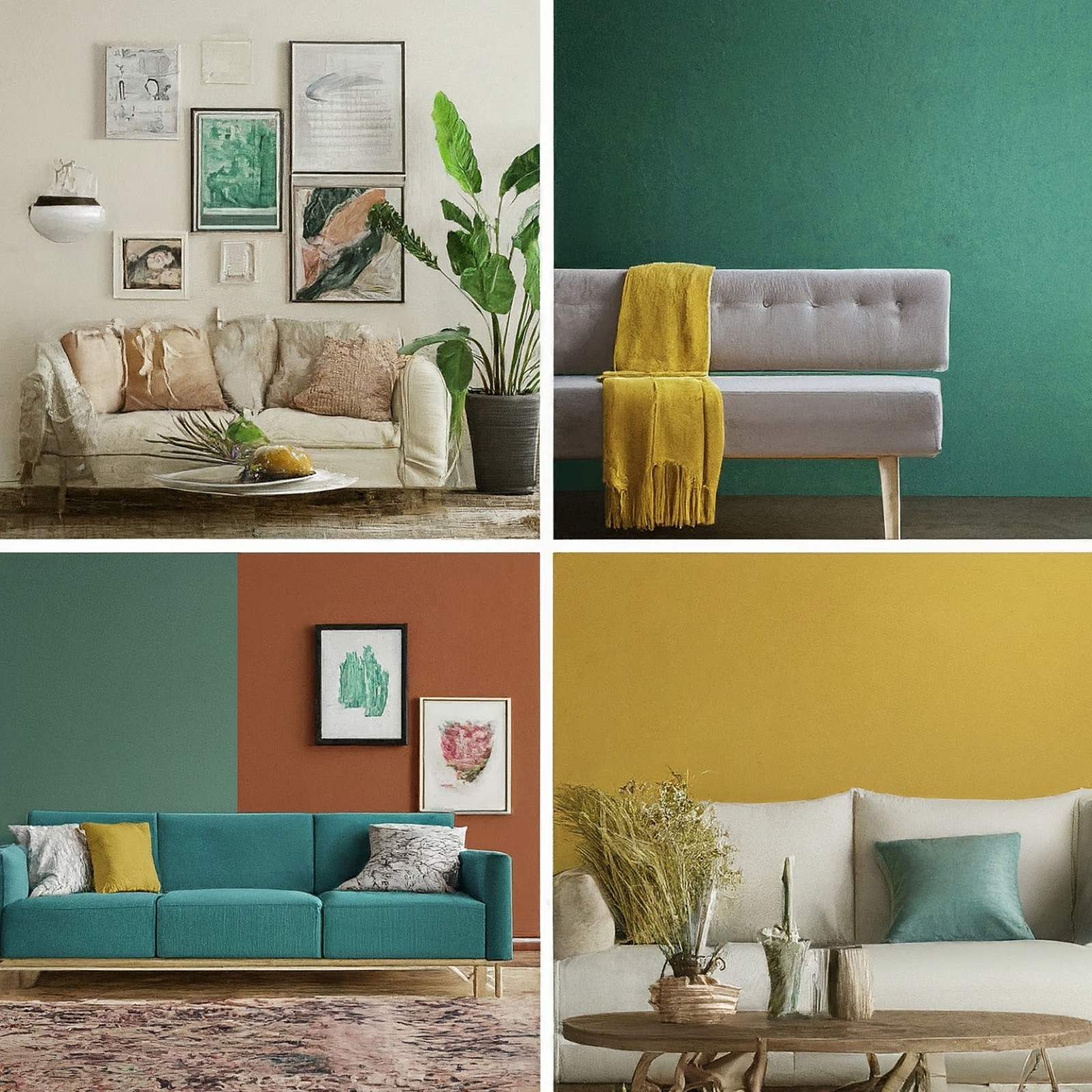
Colour sets the personality of a space instantly. It influences mood, energy, and behaviour. As one of the key elements and principles of design in interior design, colour helps designers create harmony and direction.
Reds, oranges, and yellows bring energy, intimacy, and vibrancy.
Blues, greens, and greys create calmness and spaciousness.
8. How the Elements and Principles of Design Work Together?
Beige, white, taupe, and charcoal anchor the palette, bringing a timeless quality.
MWM Spaces selects colour palettes based on how clients want to feel in their homes or offices, not just what looks fashionable. Colour creates the emotional framework that directs the rest of the design.
Texture shapes how a room feels, not just visually, but emotionally as well. It is one of the richest elements of interior design texture, and it determines whether a room feels luxurious, warm, modern, or minimal.
Visual texture: what the surface looks like (rough, smooth, glossy).
9. Conclusion on the Elements of Interior Design
Tactile texture: what the surface actually feels like (soft, coarse, velvety).
MWM Spaces intentionally mixes textures, combining stone with wood, metal with fabric, and matte with glossy finishes to create depth. In minimal interiors, texture becomes even more critical because it prevents the space from feeling flat or cold.
Texture brings life, dimension, and comfort into design.
Patterns use repeated designs, such as geometric, floral, abstract, and striped, to add rhythm and personality to interiors. It appears in wallpapers, rugs, fabrics, tiles, and artwork.
10. Recent Posts
MWM Spaces uses patterns carefully. One bold pattern can become the hero of a room, while supporting patterns stay subtle. When balanced well, patterns energise spaces without overwhelming them.
The elements of interior design never work independently. Lighting changes how colour appears. Texture changes how form feels. Space influences how lines flow.
These elements interact constantly and become powerful only when aligned with the principles of design balance, harmony, contrast, rhythm, and proportion.
MWM Spaces blends these elements and principles to create interiors that feel whole, connected, and emotionally engaging.
11. Comments
The seven elements of interior design guide every successful interior project. Space shapes function, line guides movement, form defines character, light transforms perception, colour sets emotion, texture adds richness, and pattern creates personality.
When these elements come together thoughtfully, interiors feel harmonious, warm, and deeply intentional.
At MWM Spaces, we design with these fundamentals at the core. Every room becomes a story of balance, beauty, and purpose crafted around the lives of the people who use it.